

Citations
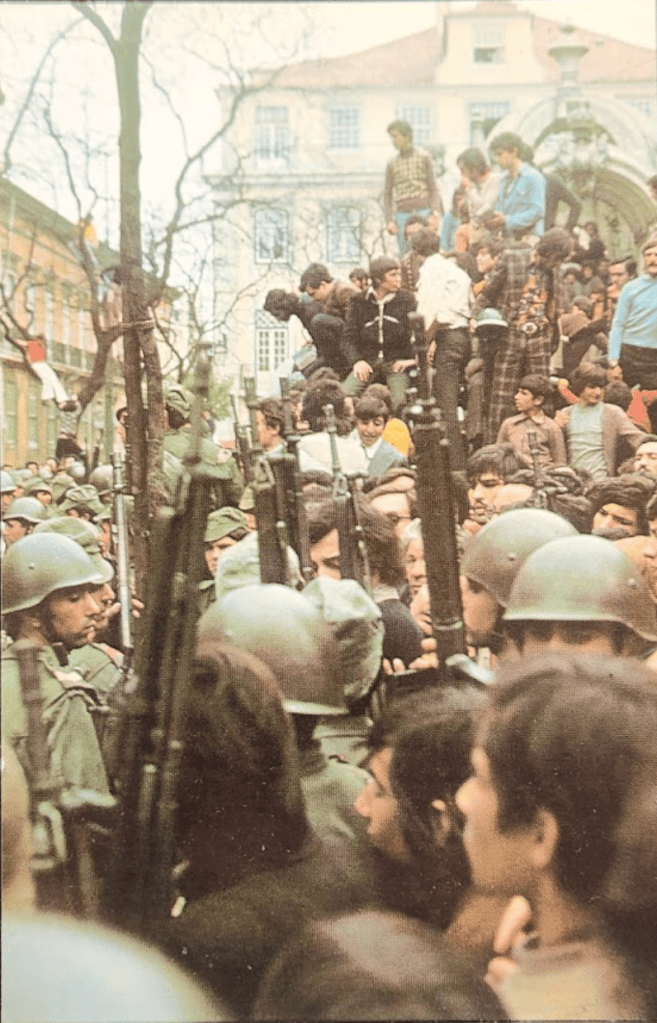
1. Postcard with photo of Movimento of Forças Armadas and crowd supporters at Carmo Square in Lisbon during the April 25th, 1974 revolution. 1974. Portuguese Canadian Democratic Association (PCDA) fonds, 2015-022/014 (5), Clara Thomas Archives and Special Collections (CTASC), York University Libraries.
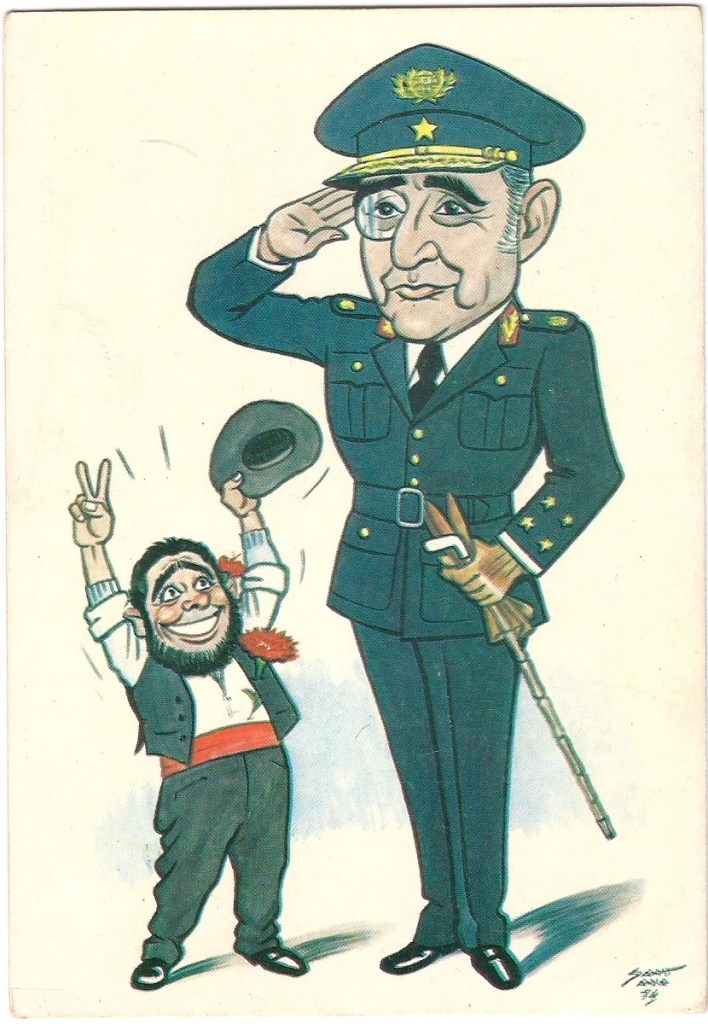
2. Postcard with illustration of Zé Povinho with a carnation greeting General António Spínola. Santana. 1974. David Higgs fonds, 2015-012/001, CTASC.
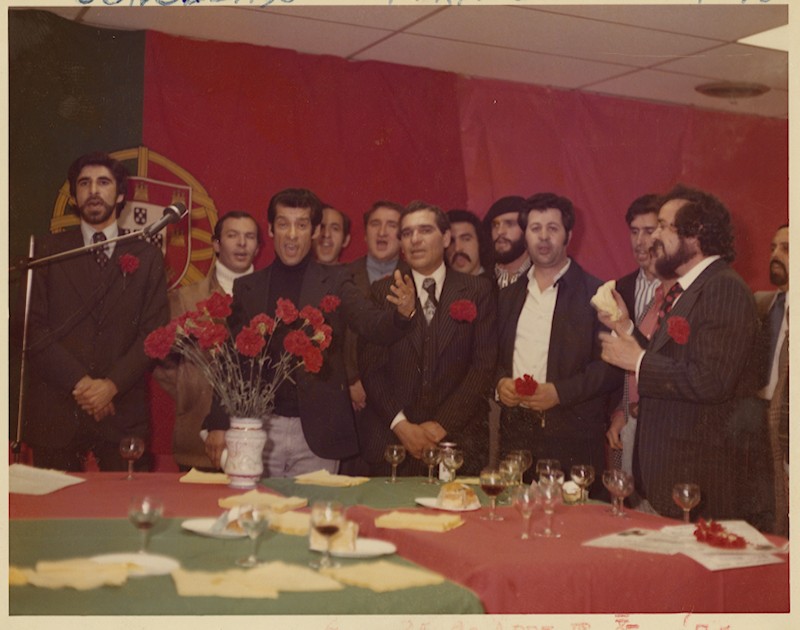
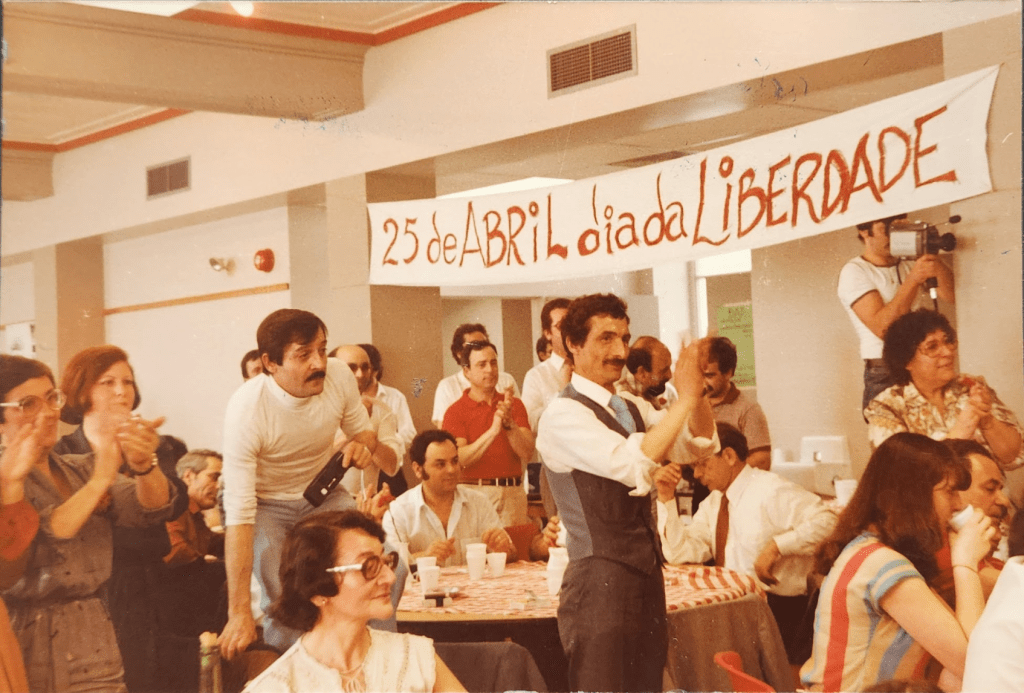
3-4. Photos of the Carnations Revolution’s first anniversary commemorations at the Portuguese Consulate in Toronto. April 25, 1975. PCDA fonds, 2015-022/014 (5), CTASC.
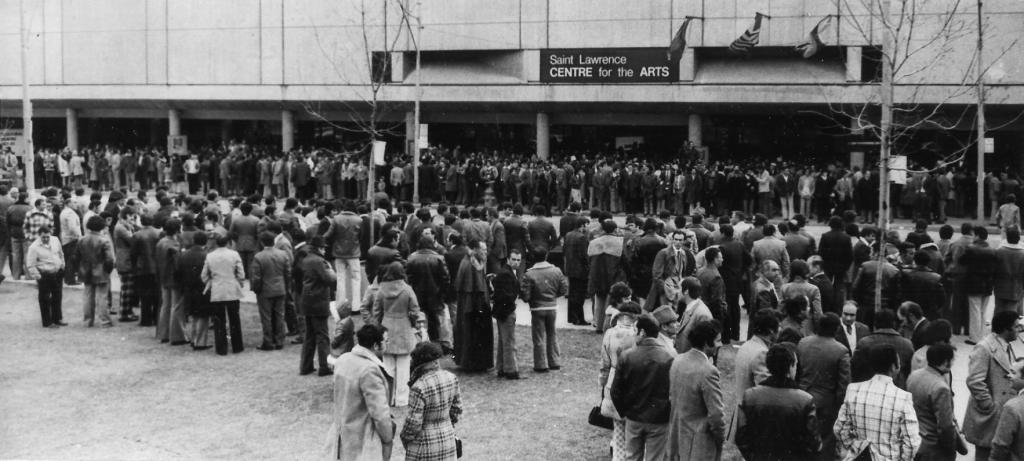
5-6. Photos of the former interim President António Spínola’s visit to Toronto and crowd of supporters and opponents gathered outside the St. Lawrence Centre for the Arts where he spoke. November 23, 1975. Domingos Marques fonds, 2010-019/003 (2), CTASC.
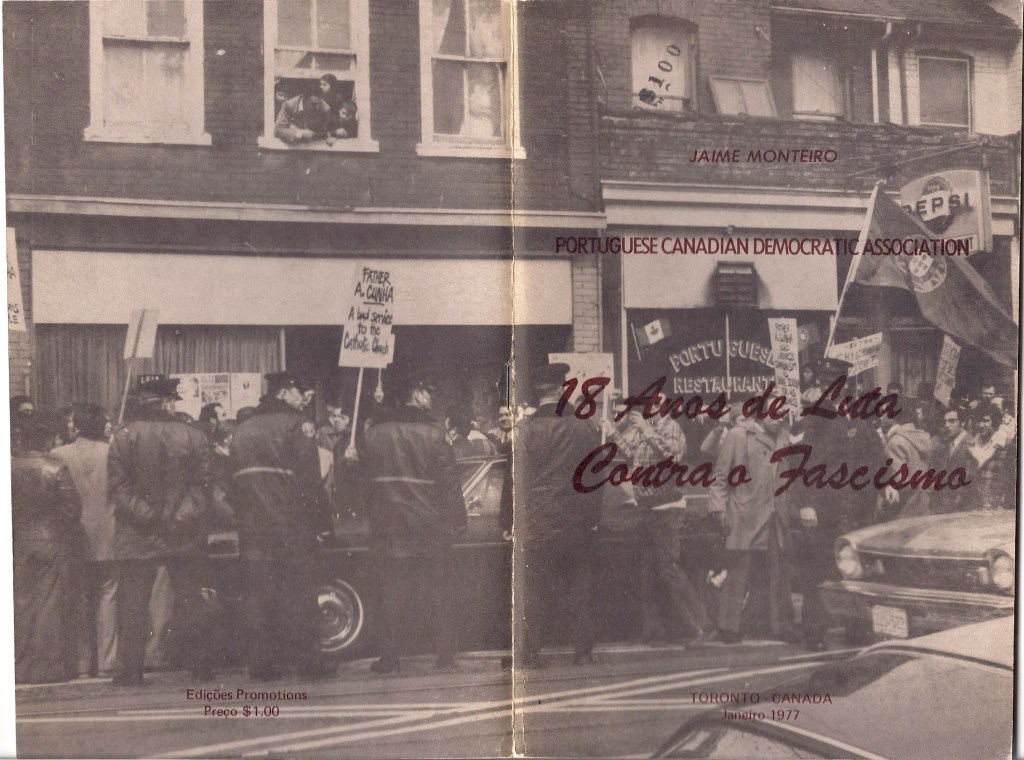
7. Jaime Monteiro, 18 Anos de Luta Contra o Fascismo (Janeiro 1977). David Higgs fonds, 2015-012/001, CTASC.
8. Photo of Portugal Day celebration at Nathan Phillips Square with flags of Portugal, Canada, and the Frente de Libertação dos Açores (FLA). June 1979. Domingos Marques fonds, 2010-019/003 (3), CTASC.
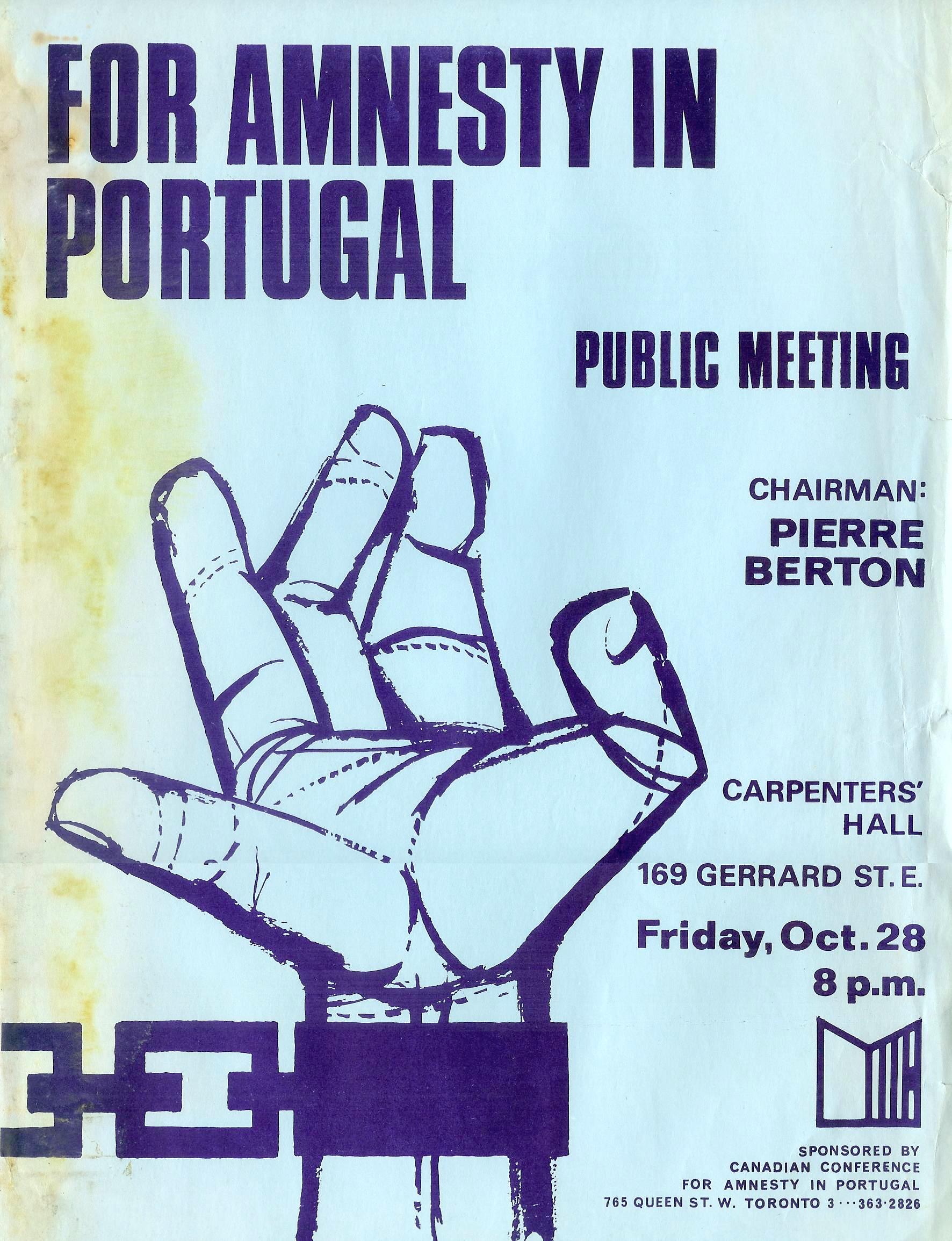
News of the Estado Novo‘s collapse and the end of the Colonial Wars in Africa were initially greeted with great joy and hope by most Portuguese in Canada, especially the many war resisters and anti-fascist exiles who had fought the dictatorship from Toronto and Montreal. These were exciting times also for a younger generation of progressive Portuguese-Canadian community organizers, social workers, activists, journalists, educators, and unionists emerging in the 1970s, who were inspired by the Marxist language and goals of the Carnations Revolution. But in the turbulent revolutionary transition period that followed, Portuguese immigrants grew apprehensive about the future of their kin and property in Portugal, as they watched tensions between opposing political factions escalate at home and in their community’s organizations, media, parishes, and streets.
The revolution and its interim period known as “PREC” (Processo Revolucionário em Curso) – lasting from the day of the revolution, April 25th, 1974, until the first legislative elections on April 25th, 1976 – awakened the political consciousness of Portuguese people everywhere, including in Canada. This was a period of exceptionally intense political activity in Canada’s Portuguese communities, which saw numerous information sessions, concerts, fundraisers, demonstrations, new periodicals, radio shows, and extensive coverage in Canadian mainstream media. Toronto, Montreal, and Ottawa were visited by major political figures of the moment. Among them, the leader of the Movimento Popular de Libertação de Angola (MPLA) and future president of Angola Agostinho Neto, the revolutionary Armed Forces Movement’s (MFA) Captain Salgueiro Maia, the interim Minister of Foreign Affairs and future Prime Minister Mário Soares, the (by then former) interim revolutionary President António de Spínola, the singer/songwriter José “Zeca” Afonso, who composed “Grândola Vila Morena,” the unofficial anthem of the revolution.
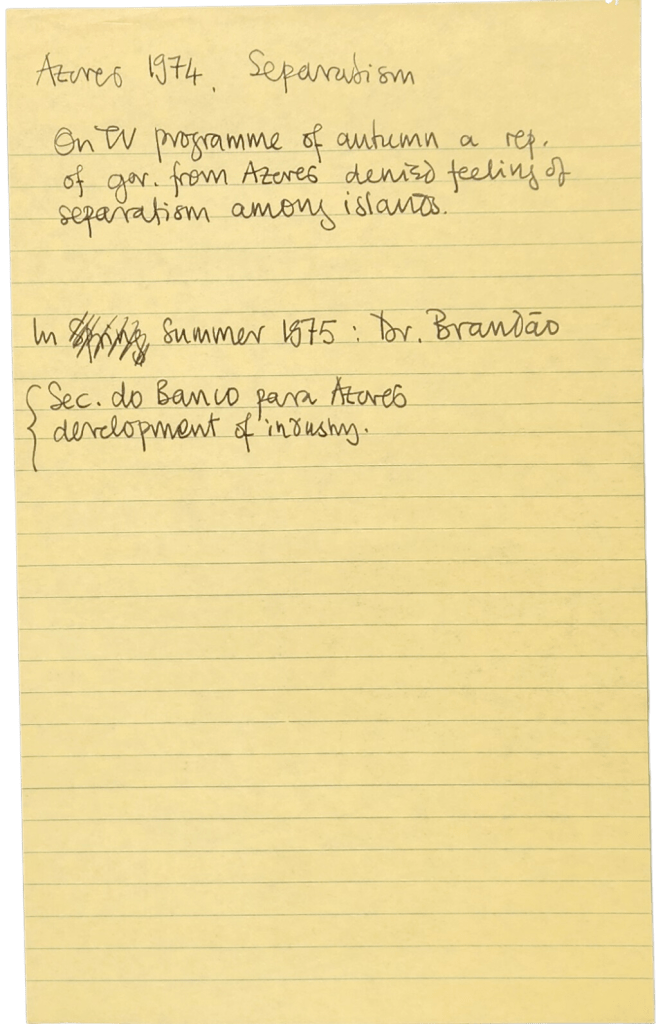
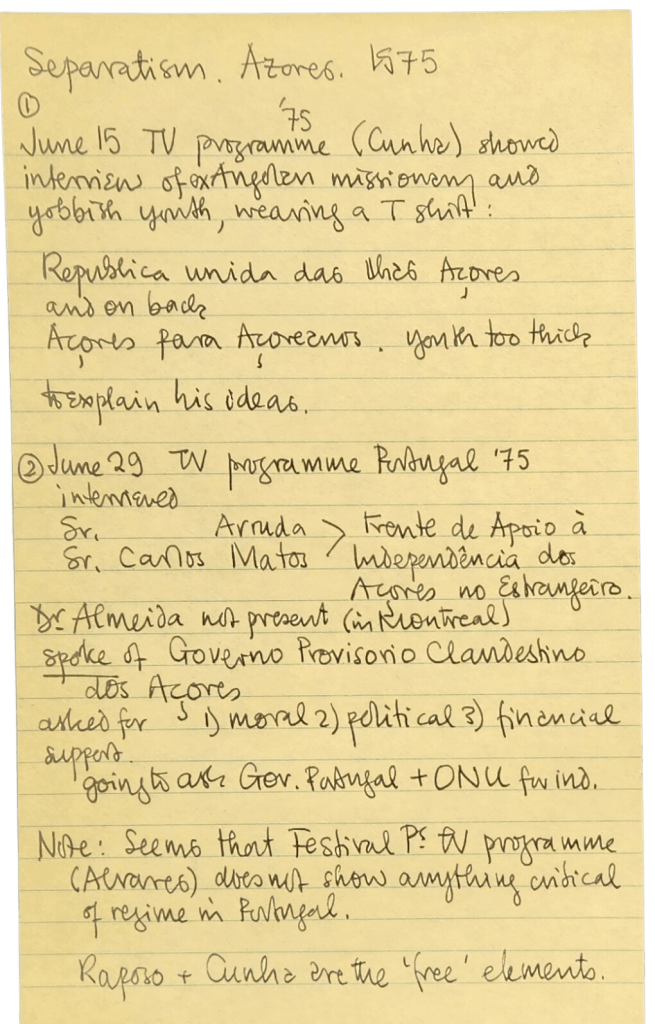
Reactionary movements, in turn, found a receptive audience among the conservative Azorean majority, including proponents of the archipelago’s independence organized by the Frente de Libertação dos Açores (FLA), and the self-exiled Spínola, who fundraised in Toronto for a counter-revolution that never happened. The influential priest of St. Mary’s Catholic Church, Fr. Alberto Cunha, who had long supported and been supported by the dictatorship, also carried a disinformation campaign through his how on CHIN radio show, until members of the Portuguese Canadian Democratic Association protested outside the station, prompting its owner Johnny Lombardi to cancel the show.
Thousands of expatriated citizens voted for the first time in their lives in the constitutive elections of 1975 and legislative elections of 1976, during which they were courted by Portuguese political candidates running for the “Outside of Europe” electoral district. Anxious Canadian authorities took note of the political fervour and feuds in the Portuguese communities, surveilled the activities of leftist organizers, and worried about the overt politicking by foreign visitors.
Places of origin:
Lisbon, Portugal;
Toronto, Ontario
Dates:
April 1974-June 1979
Archived at:
Clara Thomas Archives and Special Collections, York University Libraries
Fonds:
F0571
Finding aid here
F0573
Finding aid here
F0579
Finding aid here